
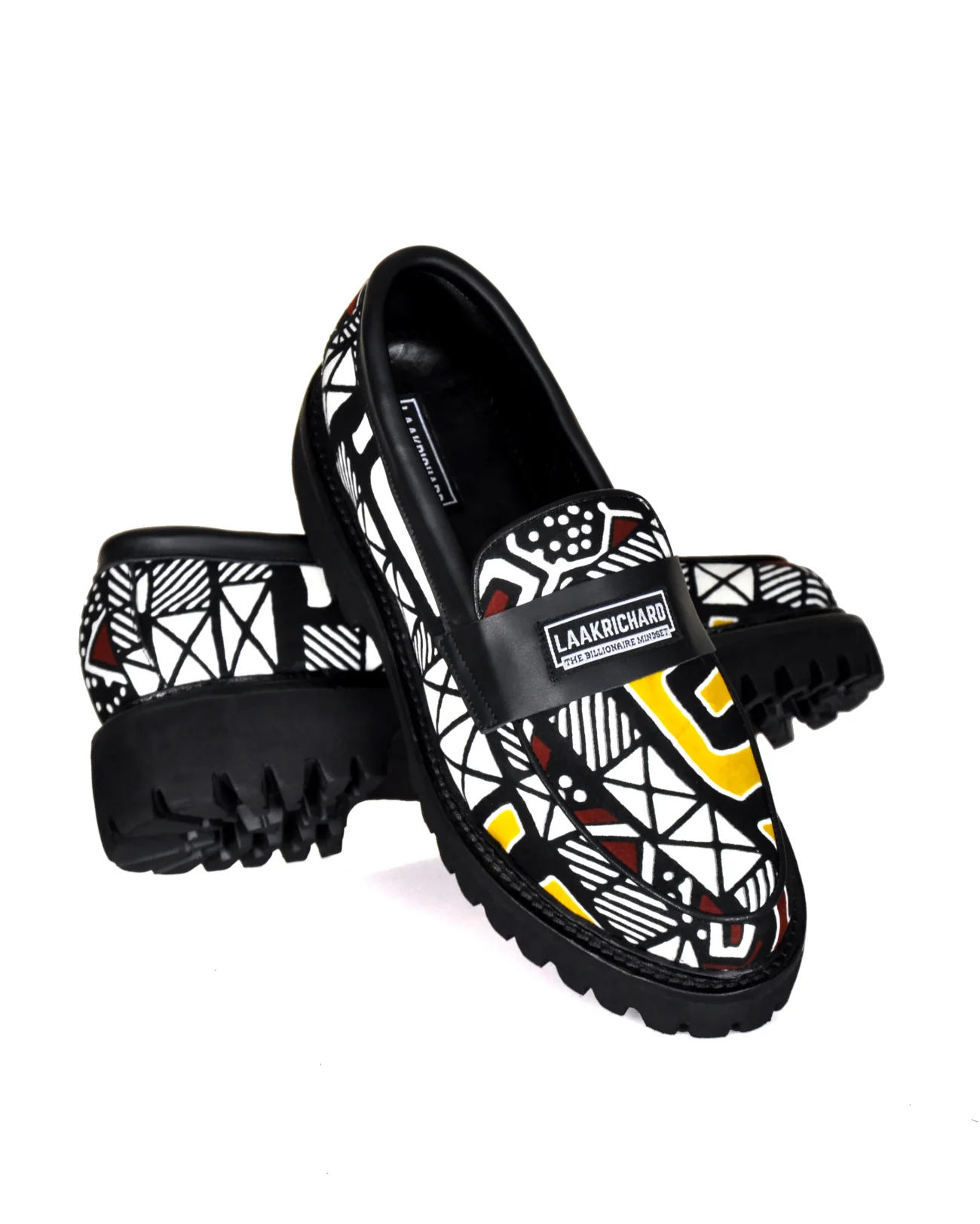
Footwear is often judged first by appearance. Shape, finish, and surface detail tend to dominate perception. Yet in luxury fashion, appearance is secondary to construction. The true quality of a shoe is not revealed in its design alone, but in how it is built from the sole upward.
Footwear carries more physical responsibility than any other garment. It absorbs weight, distributes pressure, and responds continuously to movement. Without sound construction, even the most visually refined shoe fails its purpose.
Footwear As Structural Design
Luxury footwear begins with structure. The relationship between the sole, midsole, insole, and upper determines how the shoe performs over time. These components must work together seamlessly, maintaining balance while allowing natural movement.
Well-constructed footwear supports the foot without restricting it. Weight distribution is even, reducing strain and fatigue. This balance cannot be achieved through surface design alone. It requires an understanding of anatomy, materials, and assembly techniques.
Appearance may attract attention, but structure sustains wear. In luxury footwear, restraint in design often allows construction to take precedence.
The Importance Of Sole Construction
The sole is the foundation of any shoe. Its material, thickness, flexibility, and attachment method all influence durability and comfort. Luxury footwear often favors soles that can be repaired or replaced, extending the life of the shoe significantly.
Poor sole construction leads to premature wear, loss of stability, and discomfort. No amount of visual refinement compensates for this failure. In contrast, a well-constructed sole adapts to movement, softens over time, and maintains structural integrity.
Luxury brands understand that the sole is not a hidden component, but a defining one.
Upper Construction And Material Behavior
The upper portion of footwear must balance flexibility and strength. Materials should conform gradually to the foot while retaining shape. This requires careful selection and precise assembly.
In well-made shoes, seams are positioned to minimize stress. Panels are shaped to accommodate movement rather than resist it. Over time, the upper develops subtle contours that reflect the wearer’s gait without collapsing.
This evolution is a sign of integrity. Shoes that remain rigid or degrade unevenly reveal compromised construction.
Stitching, Assembly, And Longevity
Stitching is not merely decorative in luxury footwear. It reinforces structure, secures materials, and influences repairability. Dense, even stitching distributes tension evenly, reducing the likelihood of failure.
Assembly methods also matter. Techniques that allow components to be separated and restored extend the usable life of the shoe. Disposable construction, by contrast, prioritizes efficiency over longevity.
Luxury footwear is designed with the expectation of continued use. Repair is anticipated, not avoided.
Comfort As A Result Of Construction
Comfort in footwear is not achieved through padding alone. It emerges from alignment, balance, and material interaction. Shoes that feel comfortable immediately but deteriorate quickly often rely on superficial solutions.
Well-constructed footwear may require a brief period of adaptation, after which comfort deepens. This progression reflects materials responding to the foot rather than resisting it.
In luxury fashion, this gradual improvement is valued. It signals craftsmanship working in partnership with the wearer.
Conclusion: Construction As The True Measure Of Quality
Appearance can be replicated. Construction cannot. In luxury footwear, true quality reveals itself through wear, not display. Shoes that endure movement, adapt to the body, and invite repair embody the principles of thoughtful design.
By prioritizing construction over surface appeal, luxury brands create footwear that transcends trend and remains relevant through use. This discipline is what separates enduring pieces from fleeting impressions.
Leave a comment