
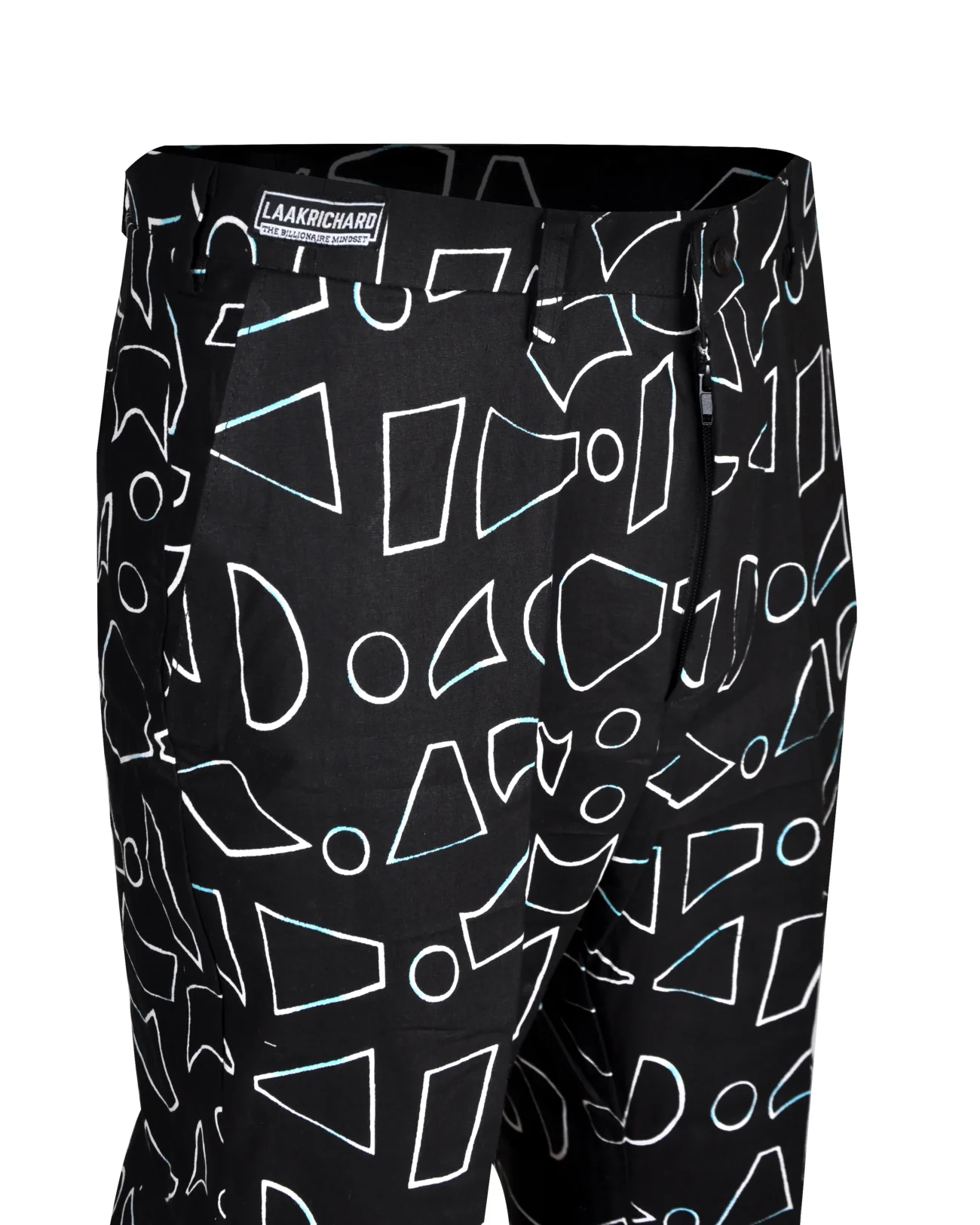
In premium fashion, fabric choice is often framed as a matter of preference or performance. Yet at the luxury level, the distinction between natural fibres and synthetic blends goes far beyond comfort or cost. It is a question of intent, longevity, and material honesty. Understanding this distinction is essential to understanding why certain garments endure while others merely perform briefly.
Luxury fashion does not reject innovation, nor does it idealize tradition blindly. Instead, it evaluates materials based on how they behave over time — on the body, under movement, and through repeated wear. Natural fibres and synthetic blends each have roles to play, but they serve fundamentally different purposes.
Understanding Natural Fibres In Luxury Fashion
Natural fibres — such as cotton, wool, silk, and linen — are valued in luxury fashion for their organic performance. These materials breathe, regulate temperature, and respond intuitively to the body. Their structures are complex, irregular, and adaptive, which allows garments to feel less engineered and more lived-in over time.
One of the defining characteristics of natural fibres is their ability to age. Rather than deteriorating abruptly, they soften, relax, and develop texture through use. This gradual evolution contributes to the emotional longevity of a garment. Wear becomes part of the design narrative rather than a flaw to be concealed.
Natural fibres also accept craftsmanship differently. They respond predictably to tailoring, shaping, and finishing. Seams settle naturally, creases form with intention, and structural elements maintain balance without excessive reinforcement. For luxury brands, this responsiveness allows design to remain restrained while still achieving precision.
The Rise of Synthetic Blends in Premium Clothing
Synthetic fibres were introduced to solve practical problems — durability, stretch, moisture resistance, and cost efficiency. In premium fashion, synthetic blends are often positioned as technical upgrades, promising enhanced performance or convenience. When used thoughtfully, they can support specific functions such as flexibility or structural reinforcement.
However, the widespread use of synthetic blends has also blurred the line between performance and compromise. Many blends are designed to imitate the appearance of natural fibres without replicating their behavior. While these materials may photograph well or feel impressive initially, they often lack the resilience and adaptability required for long-term wear.
In luxury contexts, this distinction matters. Synthetic blends tend to resist change rather than evolve. Instead of developing character, they degrade — losing elasticity, surface integrity, or structure over time. This makes them ill-suited for garments intended to last across seasons and years.
Breathability, Comfort, And Body Interaction
One of the most immediate differences between natural fibres and synthetic blends is how they interact with the body. Natural fibres allow air circulation, moisture absorption, and thermal regulation. This creates comfort that adapts to different environments rather than remaining static.
Synthetic materials, by contrast, often trap heat and moisture unless heavily engineered. While advanced synthetics can mitigate these issues, they rarely achieve the same balance as natural fibres without added complexity. In luxury fashion, simplicity is not a limitation but a design principle.
Comfort in luxury is not about cushioning or exaggeration. It is about absence of friction — physical and sensory. Natural fibres excel in this regard because they align with the body rather than imposing structure upon it.
Longevity and Material Integrity
Longevity is where the divergence between natural fibres and synthetic blends becomes most apparent. Natural materials tend to fail gradually and visibly, allowing garments to be repaired, adjusted, or repurposed. Synthetic materials often fail suddenly and irreversibly.
This difference influences how luxury brands approach responsibility. A garment that can be maintained over time holds greater value than one that must be replaced entirely. Repairability, adaptability, and resilience are all tied directly to fibre choice.
Luxury fashion prioritizes materials that justify investment — not just financially, but emotionally. Natural fibres reward commitment. Synthetic blends often demand replacement.
Transparency And Material Honesty
Material choice is also a matter of transparency. Luxury brands that prioritize integrity disclose fabric composition clearly and accurately. They do not rely on ambiguous language or technical jargon to obscure compromises.
Honest material selection builds trust. It signals respect for the customer’s intelligence and expectations. In premium fashion, this clarity distinguishes thoughtful design from opportunistic marketing.
Synthetic blends are not inherently incompatible with luxury, but their use must be deliberate, limited, and justified by function rather than convenience. When blends are used to mask cost-cutting, they undermine the credibility of the brand.
Conclusion: Choosing Materials With Intention
The debate between natural fibres and synthetic blends is not about superiority, but suitability. Luxury fashion demands materials that align with purpose, craftsmanship, and longevity. Natural fibres remain foundational because they support these values intuitively.
When synthetic blends are introduced, they must serve the garment rather than the supply chain. Material integrity begins with this discipline. In luxury fashion, the most advanced choice is often the most restrained one.
Leave a comment