
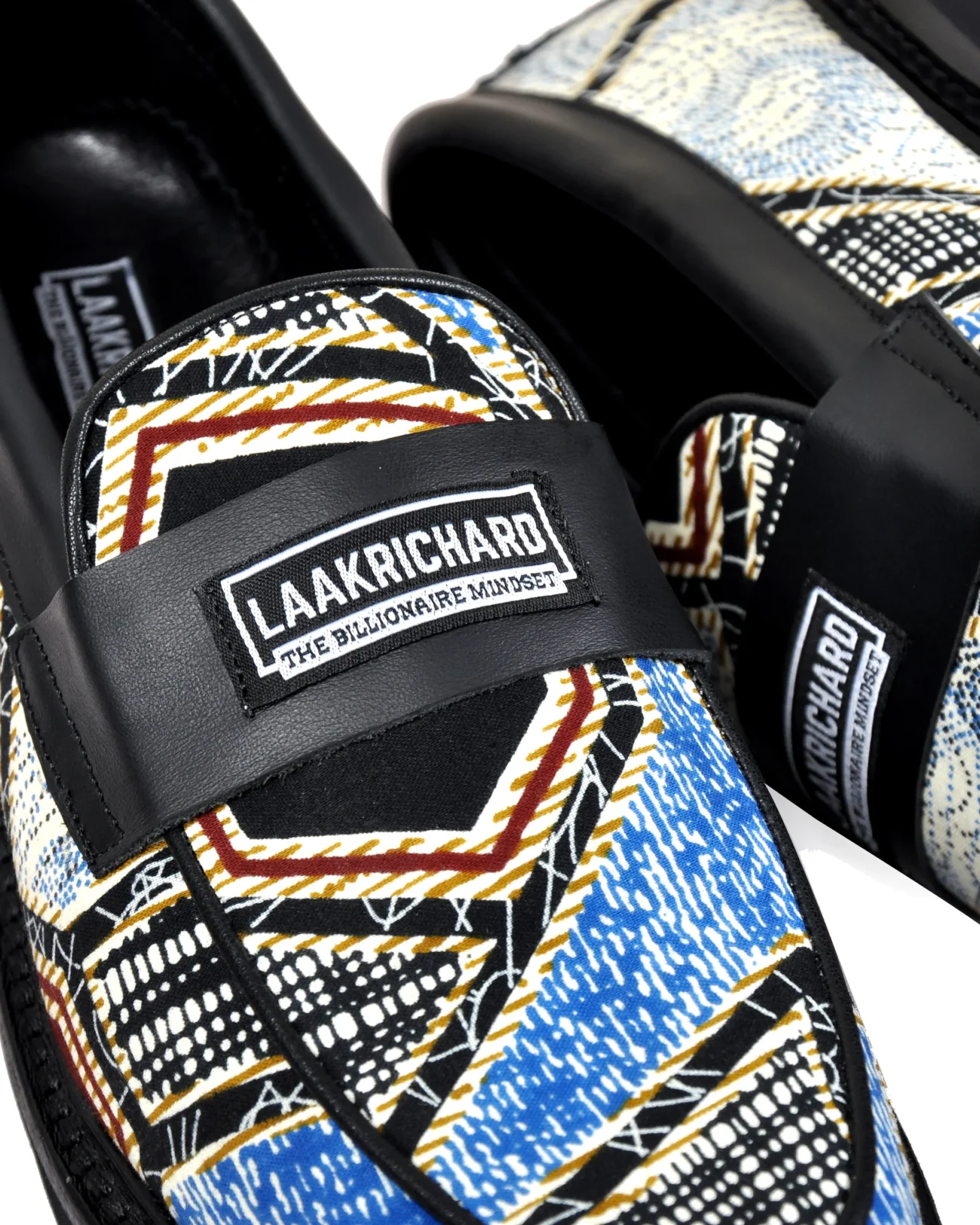
Luxury brand is often discussed in terms of appearance — silhouettes, colors, or visual identity. Yet, beneath every respected luxury house lies something far more fundamental: material integrity. Without it, craftsmanship becomes superficial and design loses meaning. Material integrity is not an aesthetic choice; it is a structural principle that determines how a garment performs, ages, and ultimately earns its place in a wearer’s life.
At its core, material integrity refers to the honest selection and respectful use of materials according to their inherent properties. It demands that fabrics are chosen not for marketing appeal but for how they behave under time, movement, and wear. In luxury fashion, this principle separates garments designed to endure from those created merely to be noticed.
Why Materials Define Luxury Before Design Does
Design can attract attention, but materials determine longevity. A well-designed jacket made from inferior fabric will lose its form, fade unevenly, and age poorly. Conversely, a restrained design executed in high-integrity materials gains depth over time. Creases soften, textures evolve, and the garment begins to reflect the life of its wearer rather than deteriorating from it.
Luxury brand that endure understand this distinction. They prioritize materials that can support structure, maintain balance, and respond predictably to tailoring. Fabric integrity allows designers to push form without compromising function. Without this foundation, even the most compelling design becomes temporary.
Material integrity also governs how garments interact with the body. Breathability, weight distribution, and flexibility all originate from the fabric itself. When materials are selected with intention, clothing enhances comfort without drawing attention to its construction. This quiet performance is one of the defining traits of true luxury.
The Role Of Honest Material Selection
Material integrity requires restraint. Not every fabric is suitable for every purpose, and luxury lies in acknowledging these limitations rather than disguising them. Heavy textiles provide structure but demand careful tailoring. Lighter fabrics offer movement but require precision to avoid distortion. Integrity means allowing the material to guide the design, not forcing it to comply with trends.
In premium fashion, shortcuts often appear in blended fabrics designed to mimic natural fibres without delivering their benefits. While blends can serve practical functions when thoughtfully engineered, they frequently sacrifice longevity for convenience. Luxury brand distinguish themselves by being transparent about material composition and by selecting fibres that align with the garment’s intended lifespan.
This honesty builds trust. A customer may not immediately recognize fabric integrity by sight alone, but they experience it through wear. When garments retain shape, resist fatigue, and improve with time, the material speaks for itself.
Material Integrity and Craftsmanship
Craftsmanship is often associated with technique — stitching, finishing, and assembly. Yet these skills are only effective when paired with materials worthy of such attention. High-integrity materials respond predictably to skilled hands. They hold stitches securely, accept shaping without stress, and recover from movement without distortion.
Low-integrity materials, regardless of craftsmanship, impose limitations. Seams weaken, surfaces degrade, and structural elements fail prematurely. This is why luxury fashion houses invest heavily in sourcing and testing materials before production begins. Craft is not an isolated skill; it is a dialogue between maker and material.
When materials are chosen with care, craftsmanship becomes visible through subtlety rather than decoration. Seams lie flat, edges remain clean, and construction fades into the background. The wearer perceives comfort and balance rather than technique, which is precisely the point.
Longevity As A Measure Of Integrity
Material integrity reveals itself most clearly over time. Luxury garments are not designed to look new indefinitely; they are designed to age gracefully. Natural wear patterns, softening textures, and subtle changes in tone contribute to a garment’s character rather than diminishing it.
This perspective stands in contrast to disposable fashion, where materials are engineered to maintain appearance briefly before failure. Luxury rejects this model. Instead, it embraces materials that tell a story through use. A jacket that becomes more comfortable, a pair of trousers that adapts to movement, or footwear that molds subtly to the foot all reflect integrity at work.
Longevity also reframes sustainability in luxury fashion. Rather than focusing solely on production volume, material integrity reduces waste by extending a garment’s useful life. Fewer replacements mean fewer resources consumed over time.
Material Integrity As Brand Philosophy
For luxury brands, material integrity is not a technical detail but a philosophical stance. It signals respect for the wearer, the maker, and the cultural context from which materials emerge. Brands that prioritize integrity resist overproduction, excessive ornamentation, and superficial innovation.
This approach positions luxury as a long-term relationship rather than a seasonal purchase. Customers return not because of novelty, but because of reliability and trust. Over time, material integrity becomes part of the brand’s identity — recognizable not through logos, but through experience.
Conclusion: The Invisible Foundation Of Luxury
Material integrity rarely announces itself. It does not rely on bold claims or visual excess. Instead, it reveals itself gradually, through comfort, resilience, and quiet performance. In luxury fashion, this restraint is a strength.
When materials are chosen honestly and treated with respect, garments transcend trend cycles. They become companions rather than commodities. This is the foundation upon which every enduring luxury brand is built — not appearance, but integrity beneath the surface.
Leave a comment