
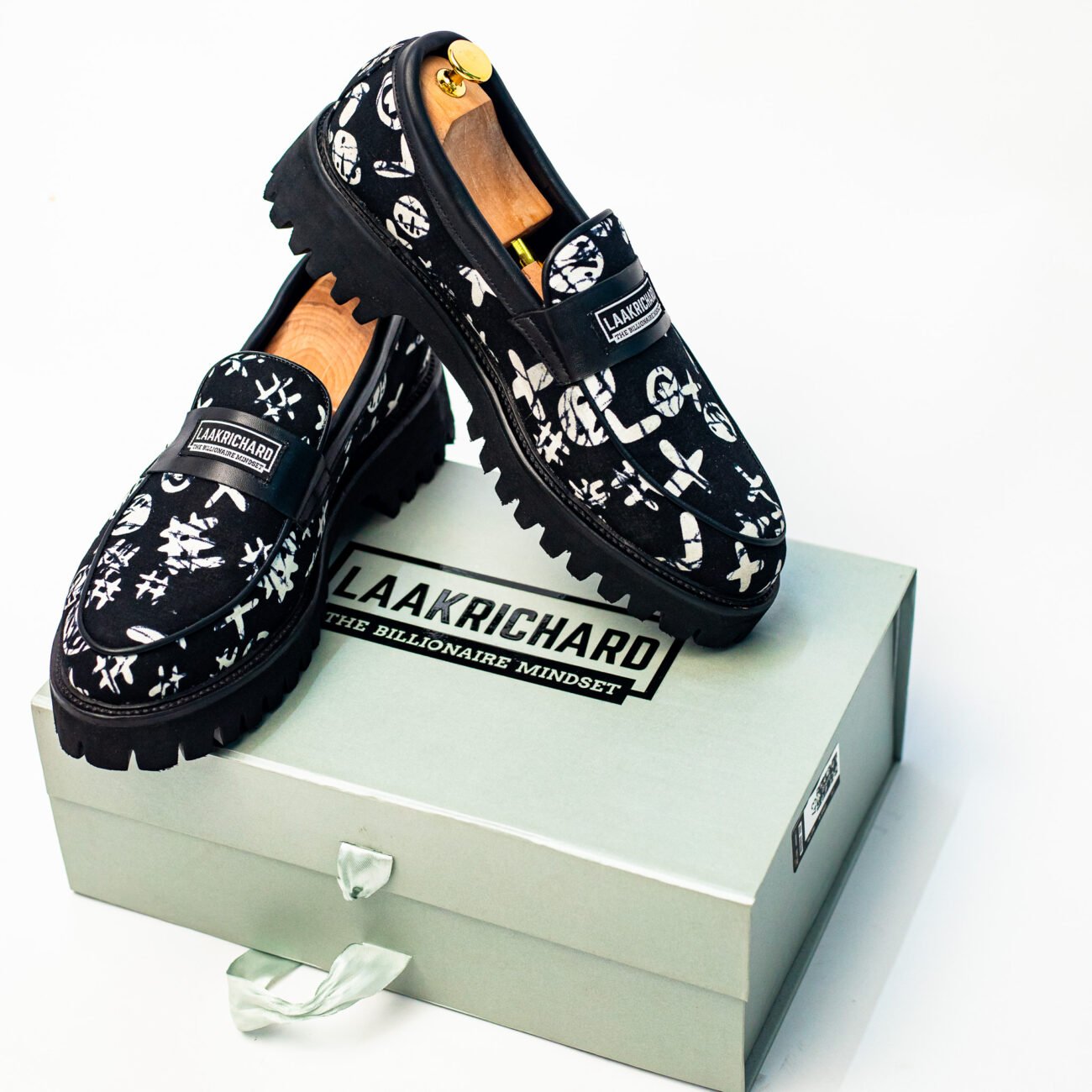
Footwear perception is driven by more than shape and material. Pattern plays a powerful psychological role in how shoes are interpreted, remembered, and valued. In modern luxury fashion, graphic patterns are no longer decorative afterthoughts — they are central to how footwear communicates presence and identity.
LaakRichard Brands understands that pattern is not noise. When executed with intention, it becomes structure, storytelling, and distinction.
The Psychology Behind Patterned Footwear
The human eye is drawn to contrast, rhythm, and repetition. Graphic patterns naturally attract attention, guiding where focus lands first in an outfit.
When applied to footwear, patterns:
- Elevate visual hierarchy
- Signal boldness and confidence
- Create memorability
- Suggest creative authority
Shoes with graphic patterns are perceived as deliberate choices, not default ones. They tell observers the wearer is aware, expressive, and intentional.
Why Pattern Instantly Changes Value Perception
Plain footwear is often evaluated primarily on craftsmanship. Patterned footwear, however, is judged on both design intelligence and execution.
This dual evaluation increases perceived value when patterns are:
- Balanced with clean silhouettes
- Integrated into the design, not layered on top
- Supported by premium materials
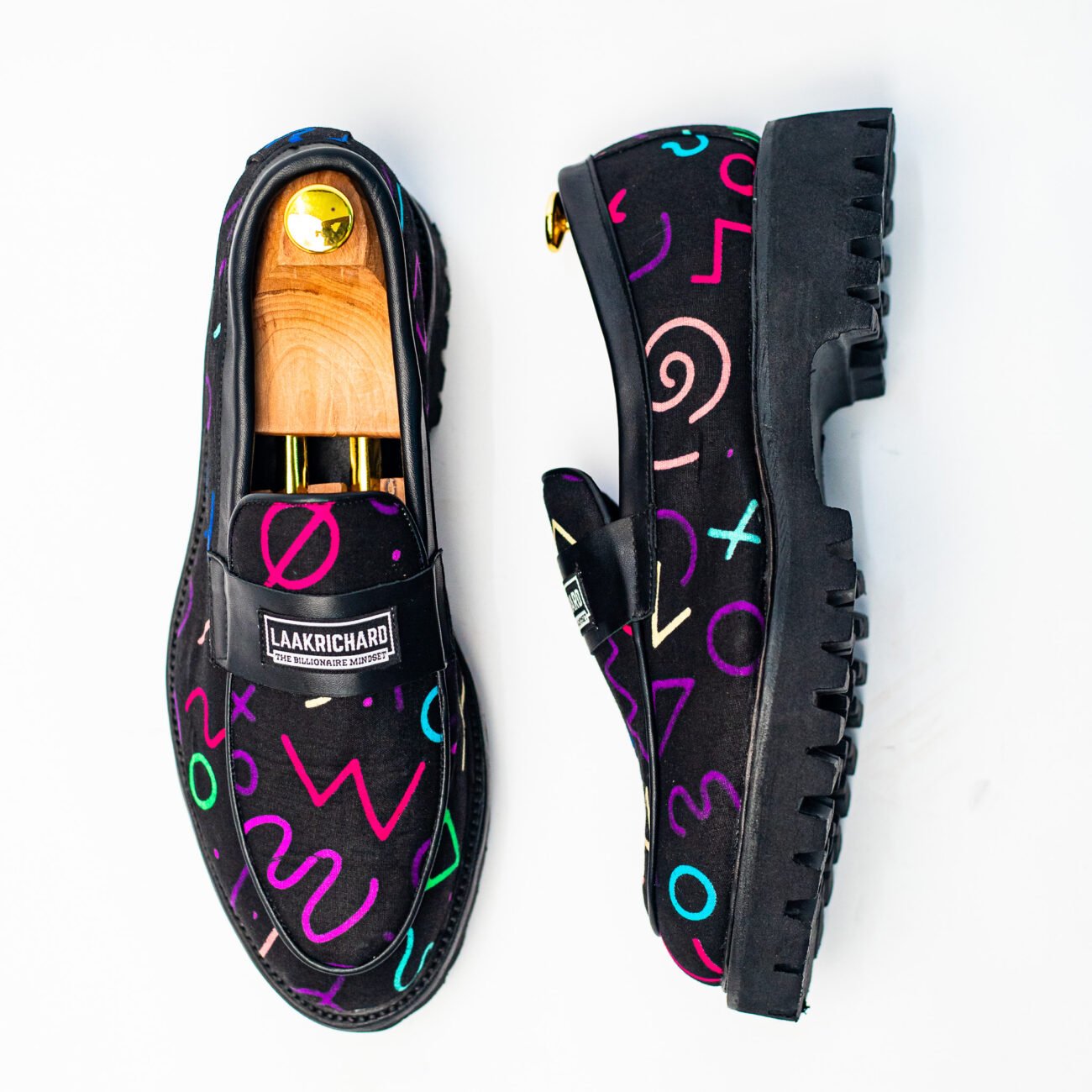
LaakRichard Brands applies graphic patterns in ways that enhance form rather than compete with it, ensuring the footwear feels elevated, not loud.
Pattern As Movement, Not Decoration
Static patterns feel ornamental. Dynamic patterns feel alive.
Graphic footwear introduces visual movement, even when the wearer is standing still. This creates energy and presence, especially in minimalist outfits.
LaakRichard Brands designs patterns that work with motion — reinforcing the idea that footwear is experienced in action, not isolation.
Cultural Expression Without Excess
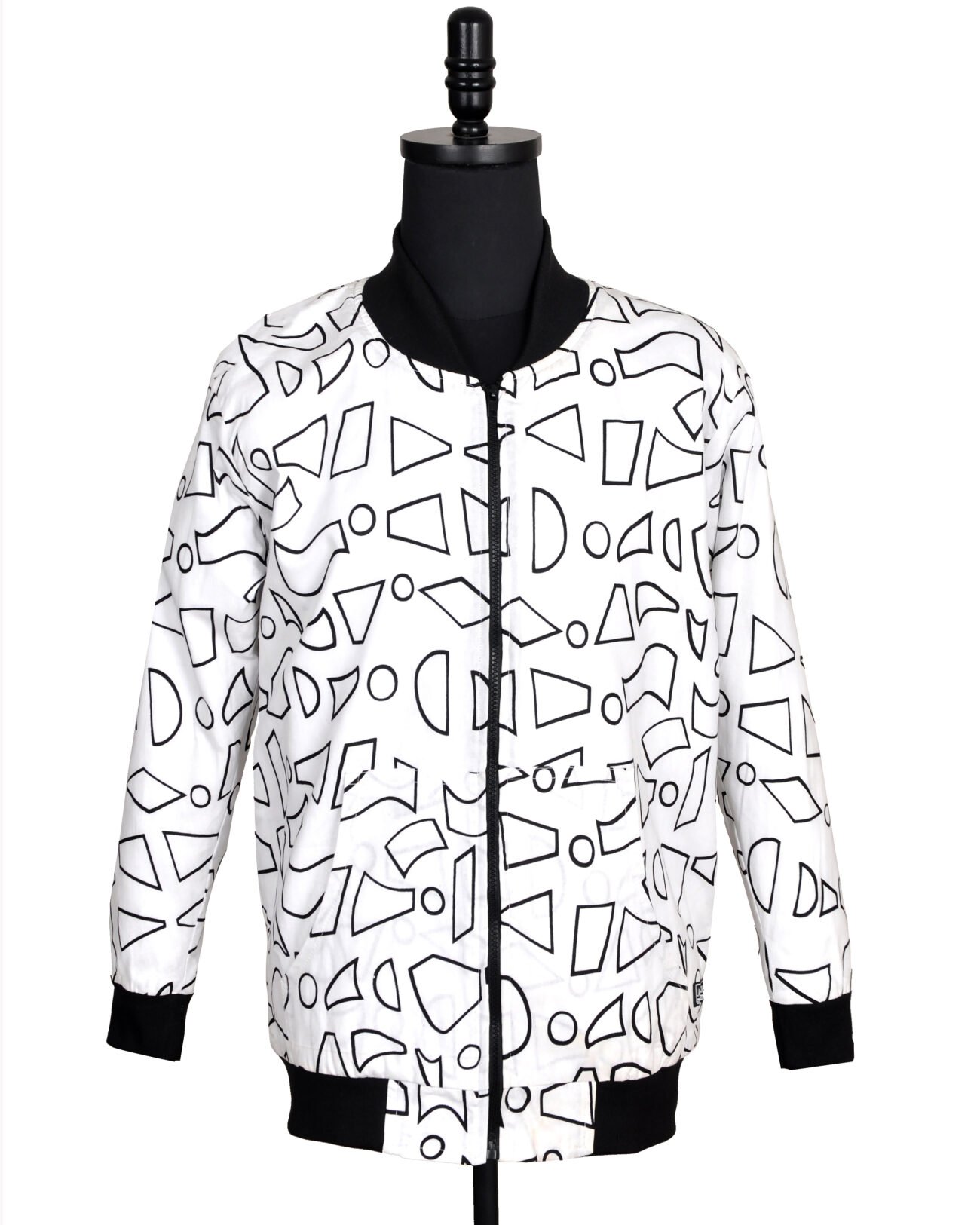
Graphic patterns often carry cultural influence, but luxury footwear requires restraint. The goal is reference, not replication.
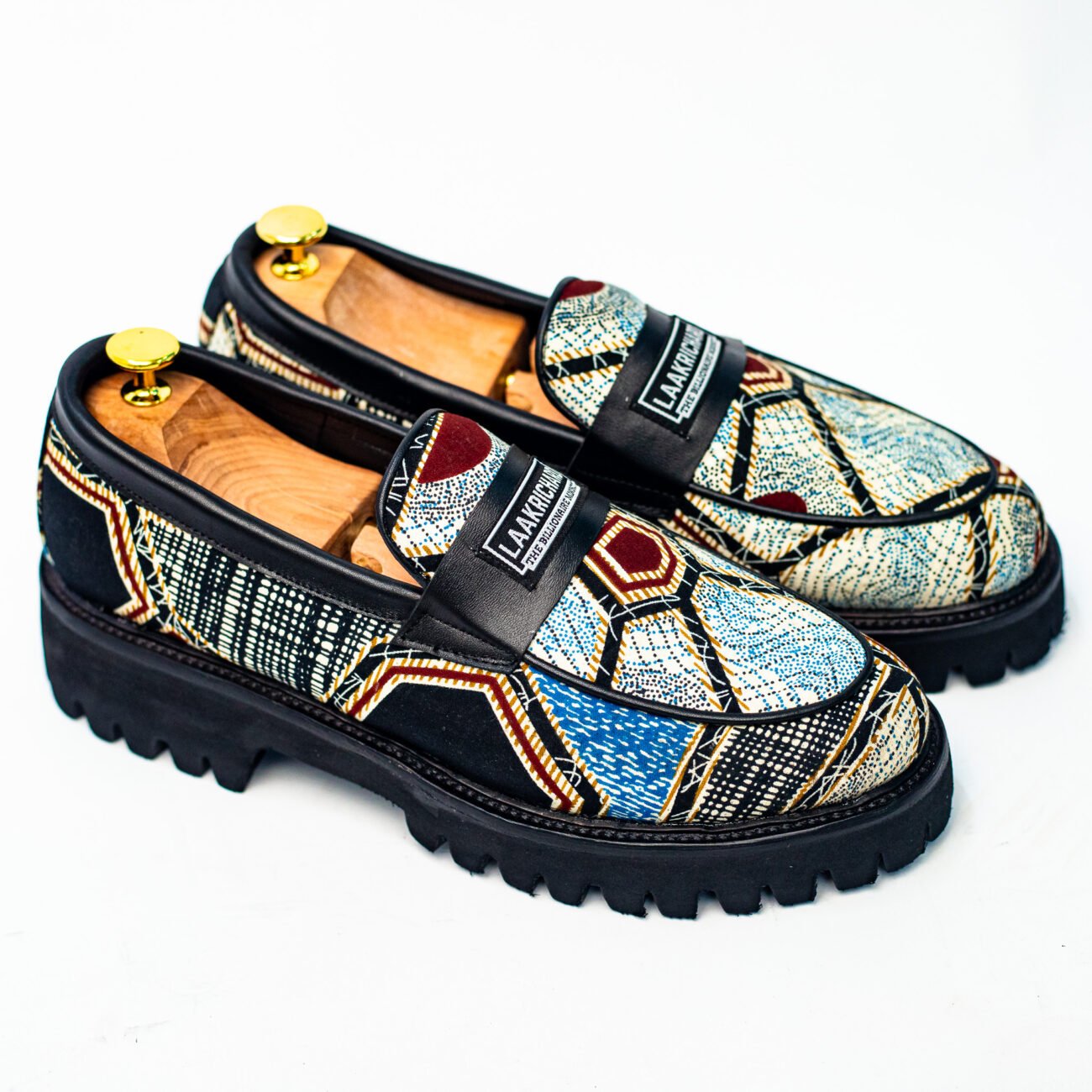
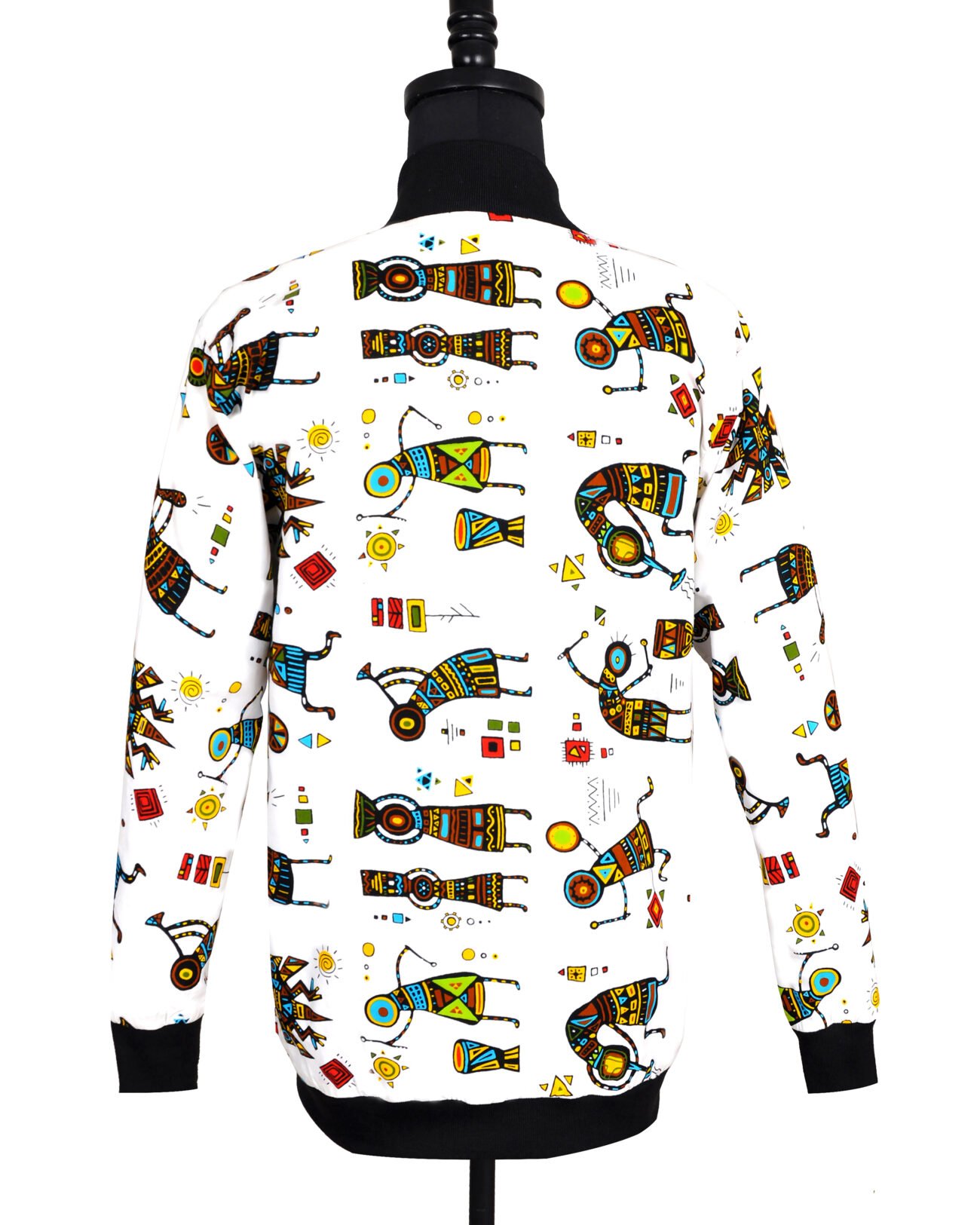
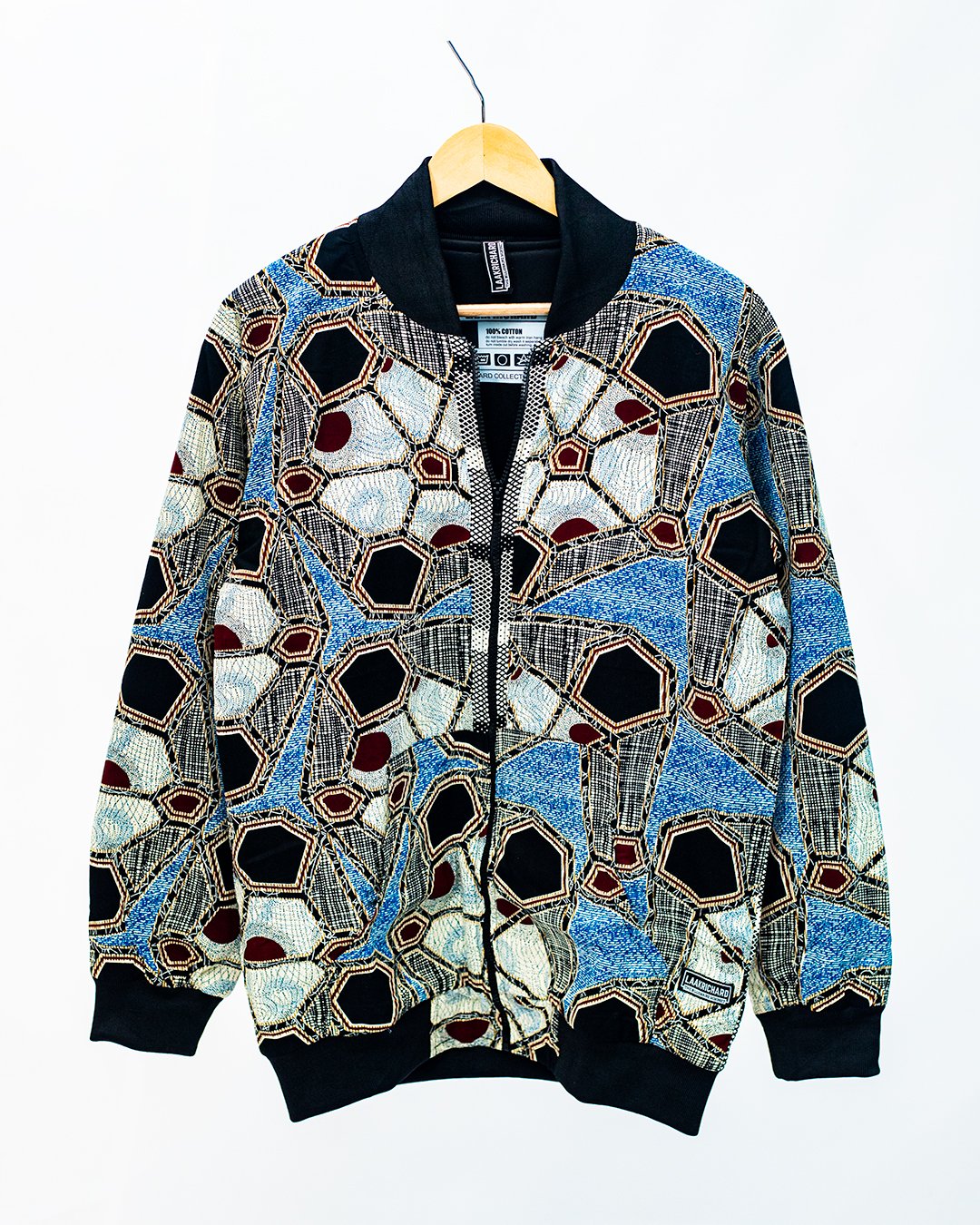
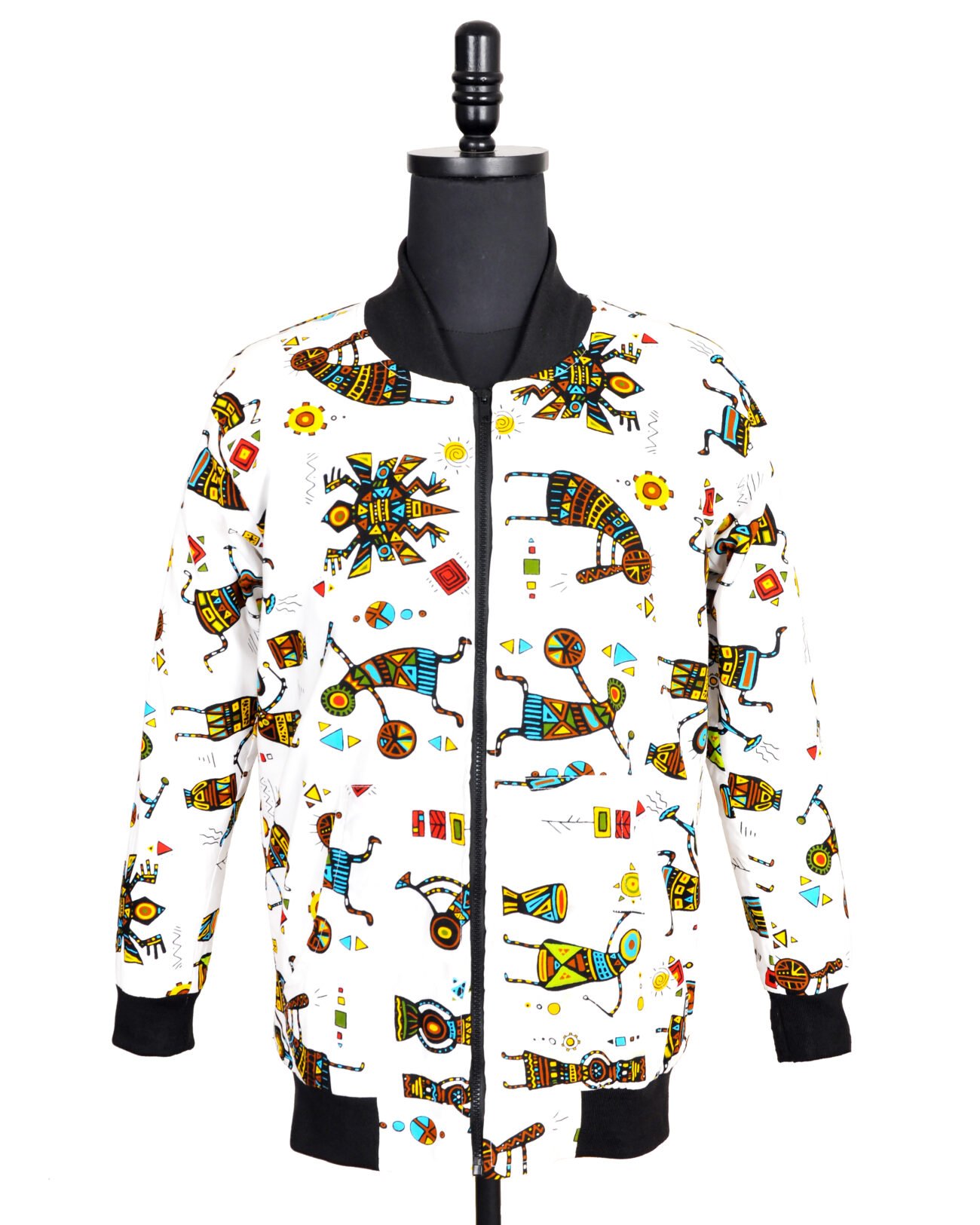
LaakRichard Brands incorporates African-inspired patterns subtly and strategically, allowing cultural identity to enrich the design without overwhelming it. This approach results in footwear that feels global, sophisticated, and adaptable.
How Patterned Shoes Reshape Outfit Balance
Patterned footwear shifts how an outfit is built. Instead of competing with clothing, it anchors the entire look.
This allows wearers to:
- Keep outfits simple
- Avoid excessive layering
- Maintain clarity in styling
A single pair of LaakRichard Brands patterned shoes can define an entire outfit without additional statement pieces.
Confidence Amplification Through Design
Patterned shoes demand confidence — but they also give it.
When footwear feels intentional and visually strong, it reduces the need for external validation. The wearer moves differently, stands taller, and engages more freely.
This is why LaakRichard Brands focuses on pattern as empowerment, not decoration.
Craftsmanship Protects the Pattern
Poor construction weakens even the strongest design. Patterns require precision to remain sharp over time.
LaakRichard Brands ensures:
- High-quality materials that retain clarity
- Finishes that resist wear distortion
- Construction that supports long-term use
The result is graphic footwear that ages with character, not degradation.
Why Buy Graphic Footwear From LaakRichard Brands
LaakRichard Brands does not follow pattern trends — it builds visual identity.
Choosing LaakRichard Brands means:
- Purpose-driven graphic design
- Premium craftsmanship
- Cultural influence without limitation
- Footwear designed to be remembered
This is footwear for individuals who understand visual language.
Conclusion: Design That Speaks Before You Do
Graphic patterns change how shoes are seen, felt, and remembered. They transform footwear from background utility into visual leadership.
LaakRichard Brands uses pattern as a strategic design tool, creating shoes that command attention without asking for it. When patterns are intentional, perception follows.
Leave a comment