
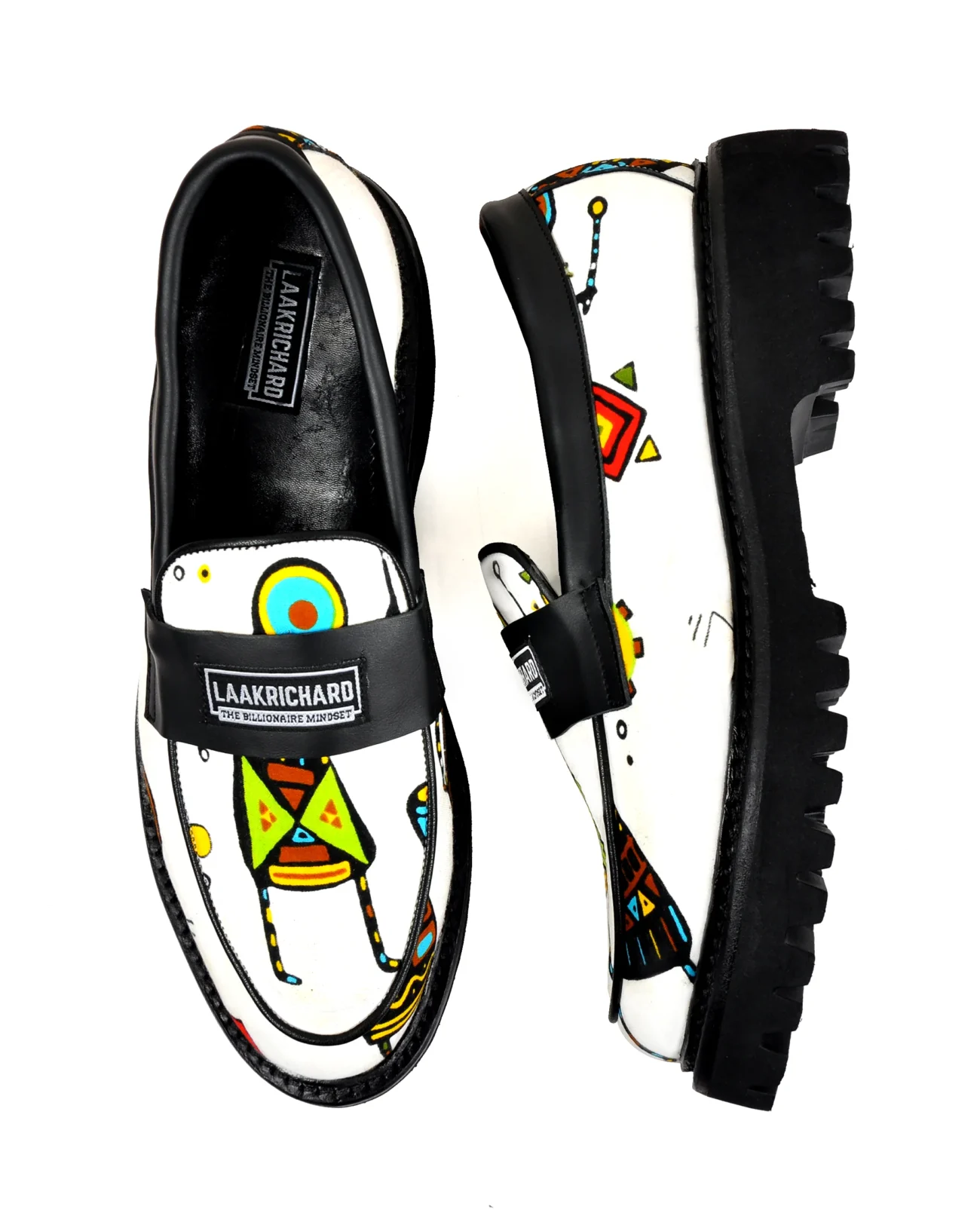
Luxury footwear must speak multiple visual languages without losing its identity. Designing shoes that translate across global markets is one of the hardest challenges in fashion—and one of the clearest indicators of a serious brand. At Laakrichard Brands, design decisions are made with cultural awareness, adaptability, and long-term relevance in mind.
Why Global Translation Matters
A shoe that works only in one region is limited. Global-ready footwear must:
- Respect cultural aesthetics
- Adapt to climate and lifestyle differences
- Maintain brand consistency
This is not about dilution—it’s about intelligent flexibility.
Core Design Elements That Travel Well
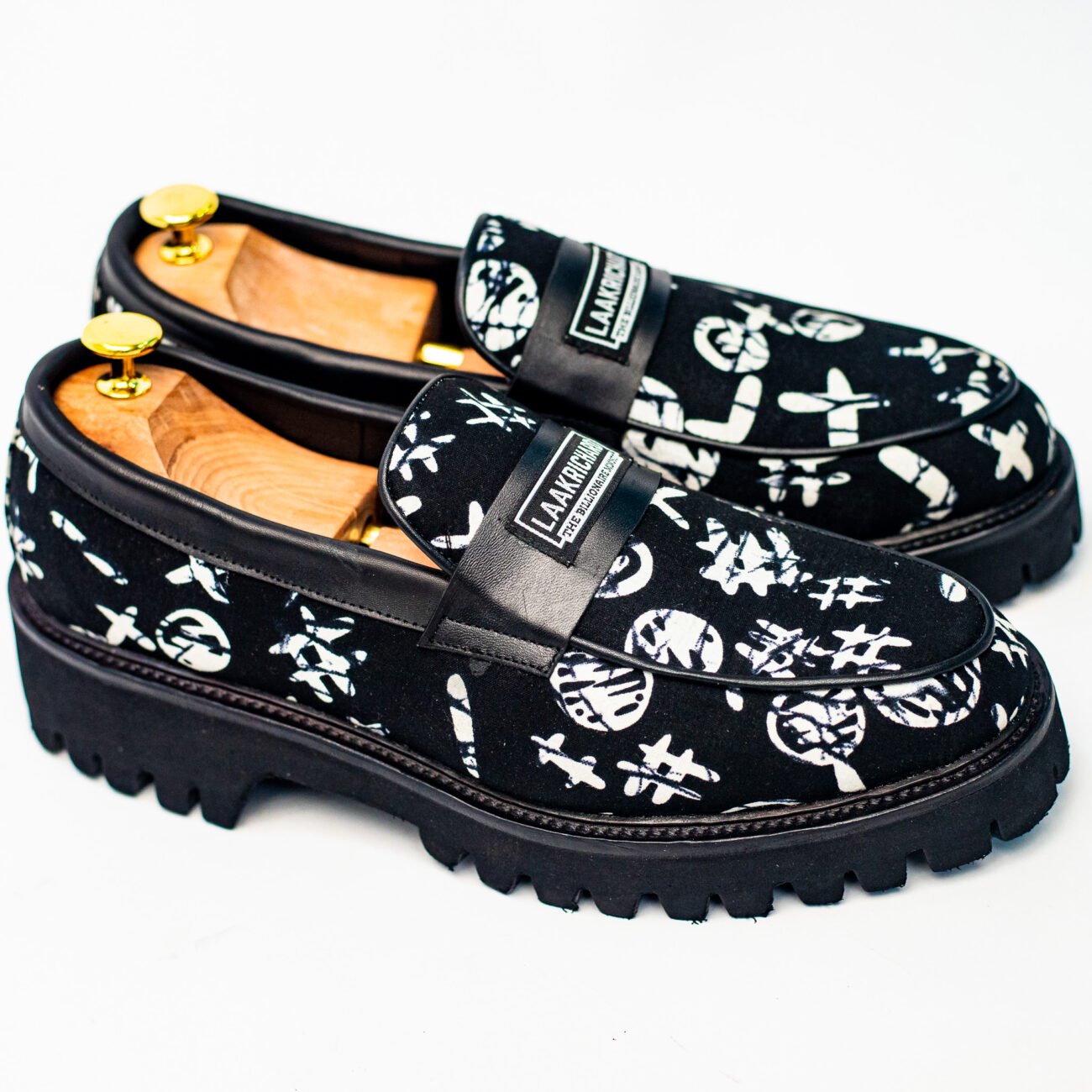
- Strong Silhouettes – Clean, recognizable shapes cross borders more easily than experimental forms
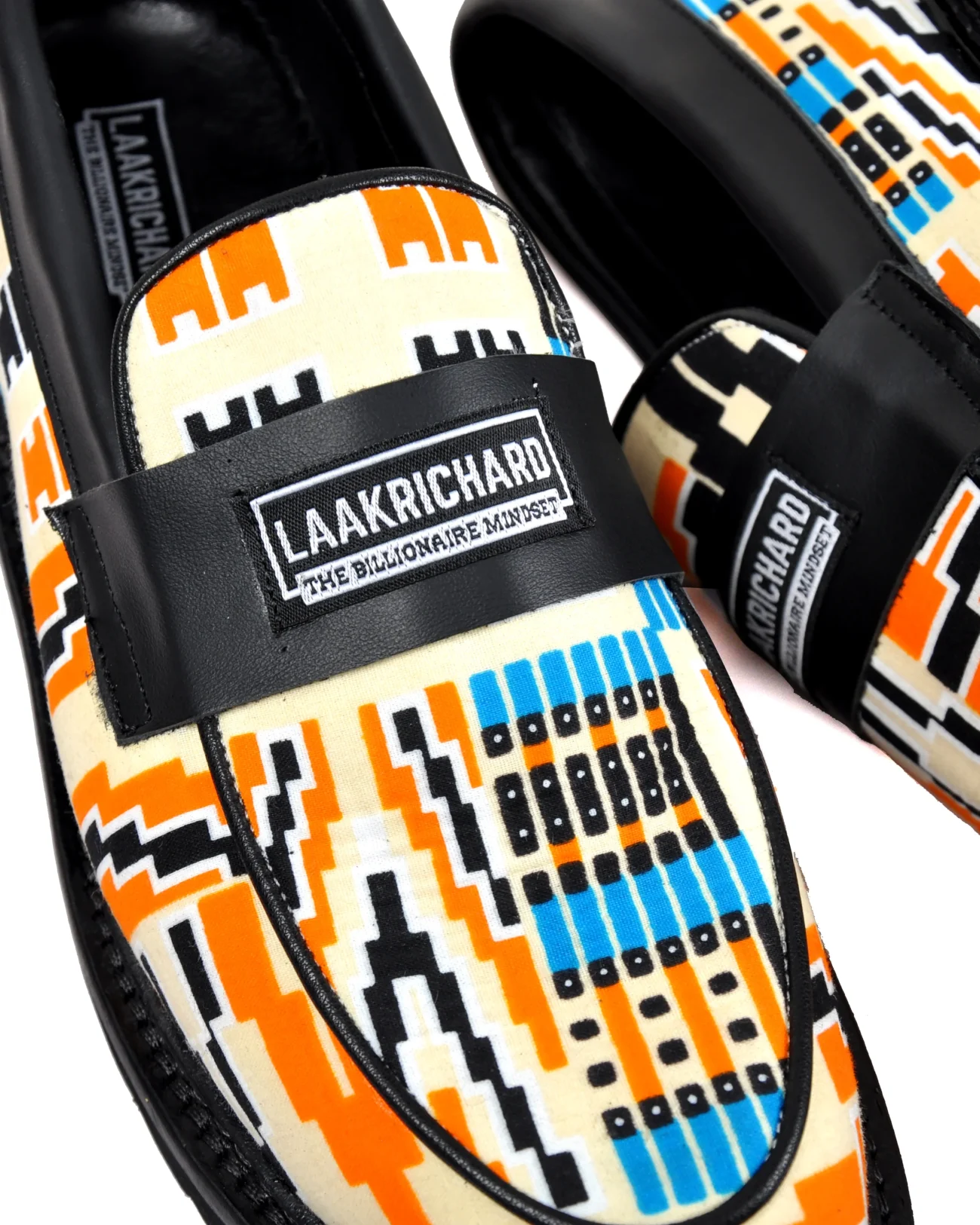
- Balanced Prints – Patterns that are expressive but not culturally restrictive
- Neutral Foundations – Colorways and materials that anchor the design globally
Laakrichard Brands builds shoes around a stable core, then adapts accents—not the identity.
Cultural Sensitivity Without Compromise
Global relevance doesn’t mean erasing heritage. In fact, authenticity often increases appeal. When cultural elements are:
- Executed with precision
- Balanced with modern structure
- Presented confidently
They become assets, not barriers.
Material and Climate Considerations
Shoes must function in different environments:
- Breathability for warm regions
- Durability for urban movement
- Comfort for extended wear
Laakrichard Brands selects materials that perform across climates without sacrificing luxury appeal.
Conclusion
Designing globally relevant footwear requires restraint, intelligence, and confidence. Laakrichard Brands creates shoes that move seamlessly across fashion capitals while retaining a distinct, premium identity—a hallmark of true luxury brands.
Leave a comment